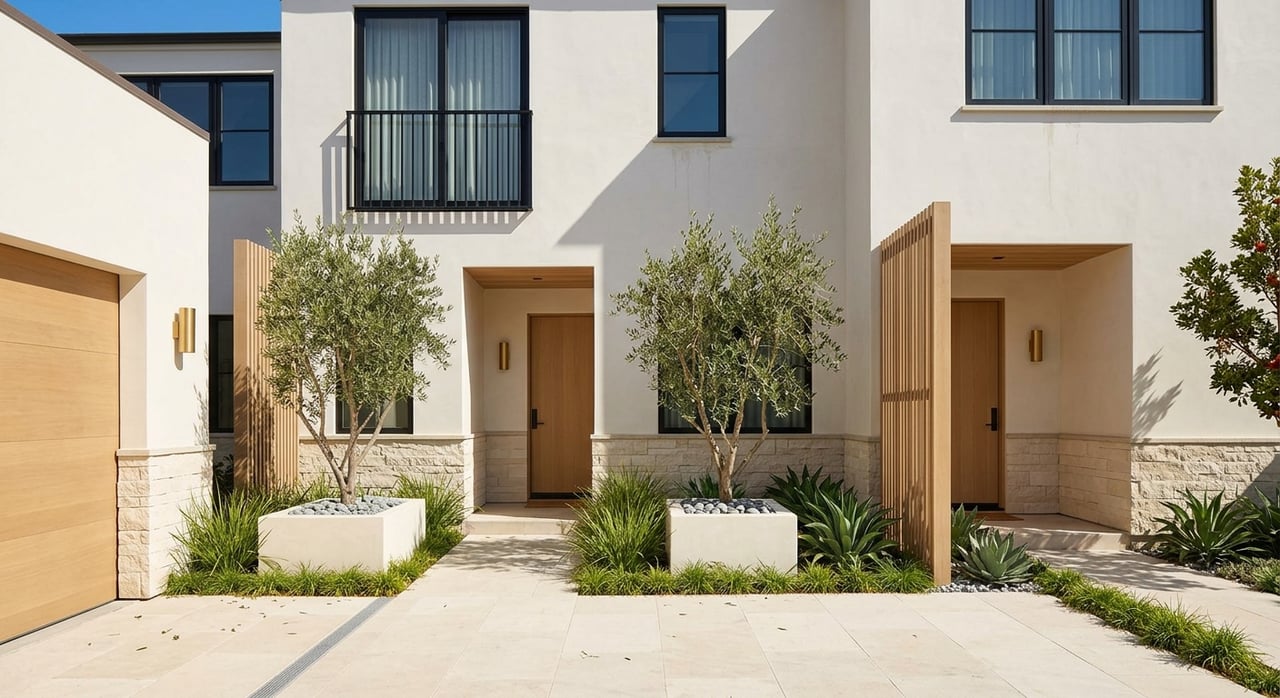
If you want Peninsula living with less exterior upkeep, waterfront scenery, and a wide range of attached-home options, Redwood Shores deserves a close look. This part of Redwood City offers a very specific lifestyle, with condos and townhomes spread across a master-planned lagoon setting and a large number of homeowner associations. If you are weighing space, amenities, monthly dues, and day-to-day convenience, understanding how Redwood Shores is structured can help you make a smarter move. Let’s dive in.
Why Redwood Shores Stands Out
Redwood Shores is a waterfront area of Redwood City where the lagoon plays a central role in housing and retail development. According to the City of Redwood City, the Redwood Shores Lagoon supports boating, swimming, windsurfing, and stormwater retention, which makes it both a lifestyle feature and a managed public resource.
That setting gives many condo and townhome communities a different feel from other Peninsula neighborhoods. A local community guide describes Redwood Shores as a master-planned waterfront community with townhomes, condos, apartments, walking and biking paths, athletic fields, and transit access.
It is also an association-heavy area. The city’s January 2026 overview states that the Redwood Shores Owners Association umbrella includes 4,084 households or members, and it distinguishes that mandatory structure from the separate voluntary Redwood Shores Community Association. For you as a buyer, that means HOA details are not a side issue here. They are part of the core ownership experience.
What Condo and Townhome Options Look Like
One of the biggest strengths of Redwood Shores is variety. Housing was developed in phases over more than 30 years, with community materials pointing to development from 1979 through 2011. That creates a mix of older 1980s and 1990s homes alongside newer 2010s townhomes.
For smaller condo-style homes, many floor plans fall between about 760 and 1,100 square feet, often with one or two bedrooms. Examples listed on the community complex guide include Marina Port, Peninsula Landing, Boardwalk, and Hastings, all of which reflect the more compact side of the local housing stock.
If you need more room, mid-size townhomes often offer two to three bedrooms and roughly 1,100 to 1,700 square feet, with some larger options as well. Communities such as Seacrest, Hampton, Regatta, and The Preserve show how attached homes in Redwood Shores can bridge the gap between condo living and a more spacious townhouse layout.
Some communities feel even closer to detached-home living. Lakeshore, Shorebird Solar, and Ventana del Mar include larger floor plans and amenities that can make daily life feel more expansive, especially if you value clubhouse access, fitness features, secure parking, or waterfront surroundings.
How Lifestyle Differs by Community
In Redwood Shores, one complex can feel very different from the next. That is why it helps to think in terms of micro-markets instead of one broad neighborhood category.
For example, Boardwalk is a useful snapshot of the area’s range. The community guide notes that Boardwalk includes 206 homes, five floor plans, a canal setting, garages, and a pool and spa. That combination shows how a relatively compact home can still come with shared outdoor features and a strong sense of place.
Across Redwood Shores, shared amenities are a major part of the value proposition. Depending on the complex, you may find pools, spas, clubhouses, fitness rooms, tennis courts, greenbelts, trails, boat docks, guest parking, garages, or carports. If your priority is convenience and shared maintenance, those features can be a meaningful tradeoff for paying monthly dues.
What HOA Fees Often Cover
Monthly HOA dues in Redwood Shores can vary quite a bit by community, amenities, and services. Recent examples in the research report include Boardwalk at $549 per month, Ventana del Mar at $391, Hampton at $380, The Preserve at $436, and one Lakeshore example at about $500.
Just as important as the amount is what the dues cover. Recent listings show HOA fees in Redwood Shores often paying for exterior painting, roofs, landscaping, water or sewer, garbage, and common-area insurance or maintenance. In a neighborhood with many shared structures and amenities, those inclusions can have a real impact on your monthly budget and overall ownership responsibilities.
That said, you should avoid assuming one HOA works like another. The exact dues, reserve strength, parking rules, rental limits, and included services need to be confirmed for the specific address you are considering.
Lagoon Rules Matter More Than You Think
If you are drawn to a lagoon-front or water-adjacent home, be sure to look beyond the view. The lagoon is a major lifestyle feature, but it is also subject to specific rules.
The City of Redwood City states that lagoon boating rules limit use to residents or those with permission from the Redwood Shores Community Association, and gas-powered boats are not allowed. The city also notes that fishing requires a state permit and that lagoon water quality and seasonal water levels are actively managed.
For you, that means a waterfront location may come with practical restrictions around boating, docks, shoreline use, and recreation. If water access is part of your buying decision, it is worth verifying the exact rules before you remove contingencies.
Exterior Changes May Need Approval
Many buyers assume a townhome offers more control than a condo, but that is not always true in a highly managed community. In Redwood Shores, exterior changes often require review.
The city overview explains that the RSOA Modifications Committee and Covenants Committee review exterior modifications and help enforce CC&Rs. If you are already thinking about changing windows, adding fencing, updating a deck, or making other visible improvements, you will want to confirm the approval process early.
This is especially important if you are comparing two similar homes in different complexes. The floor plan may be nearly identical, but the governing rules can create a very different ownership experience.
Key Due Diligence for Buyers
California disclosure requirements make HOA review especially important when you buy a condo or townhome. Before closing, sellers must provide governing documents along with budget and reserve materials.
Under California law, the annual budget report requirements include a pro forma budget, reserve summary, reserve funding plan, possible special-assessment information, loan information, and an insurance summary. The report must also state that the full reserve plan is available on request.
Reserve planning and inspection rules also matter. California requires reserve studies at least once every three years, and condominium projects must complete exterior elevated element inspections at least once every nine years. Effective January 1, 2026, the transfer disclosure package also includes the latest exterior elevated elements inspection report and, if requested, board minutes from the prior 12 months under California Civil Code Section 5550.
As a buyer, focus on these questions when reviewing the resale packet:
- How much are the monthly dues?
- What services and utilities do those dues include?
- How well funded are reserves?
- Are there pending or possible special assessments?
- What are the rules on rentals, pets, parking, and guest parking?
- What approvals are needed for exterior or visible changes?
- Are there recent board minutes that point to upcoming projects or repair concerns?
Condos and Townhomes vs Detached Homes
Redwood Shores also includes detached homes, and the contrast can be helpful if you are deciding between property types. According to the research report, detached homes in the area are generally larger and more private than local condo and townhome options, though some still fall within HOA structures.
Recent examples cited in the report include a 2,364 square foot single-family home on Neptune Drive with a $30 annual RSOA fee, a 3,040 square foot Governors Bay home with a $220 monthly HOA, and another detached Redwood Shores home with no HOA fee. By comparison, condos and townhomes typically have smaller footprints and higher monthly dues tied to shared amenities and services.
In practical terms, attached homes may appeal to you if you want lower exterior maintenance, shared amenities, and a planned-community feel. A detached home may be a better fit if your priorities include more private outdoor space, fewer shared rules, or a larger floor plan.
Why Redwood Shores Appeals to Many Buyers
Redwood Shores has a layout and housing mix that can work well for buyers who value convenience and access. The neighborhood includes walking and biking paths, athletic fields, and transit access, and it also sits near major employment centers.
The research report notes that Oracle has Redwood Shores locations at 500 and 350 Oracle Parkway, while EA identifies its Redwood City campus at 209 Redwood Shores Parkway as its global headquarters. If you want a Peninsula location with a strong local employment base and a lower-maintenance housing option, that combination can be appealing.
The key is to match the community to your goals. In Redwood Shores, that usually means looking closely at the specific complex, not just the ZIP code or the listing photos.
If you are comparing condos, townhomes, or detached homes in Redwood Shores, the right guidance can save you time and help you focus on the details that matter most. The Watson Marshall Group brings Peninsula market knowledge and a clear, hands-on approach to help you evaluate neighborhoods, ownership structures, and the tradeoffs between lifestyle, space, and long-term value.
FAQs
What is condo and townhome living like in Redwood Shores?
- Condo and townhome living in Redwood Shores often means a lower-maintenance ownership experience with shared amenities, lagoon-adjacent settings, and HOA-managed common areas, but the experience varies significantly by complex.
How large are most Redwood Shores condos and townhomes?
- Smaller condos commonly range from about 760 to 1,100 square feet, while many townhomes fall around 1,100 to 1,700 square feet, with some communities offering larger layouts.
What do Redwood Shores HOA fees usually cover?
- HOA dues often cover items such as exterior painting, roofing, landscaping, water or sewer, garbage, and common-area insurance or maintenance, though inclusions vary by association.
What should buyers review before buying a Redwood Shores condo?
- You should review governing documents, HOA budgets, reserve studies, insurance summaries, possible special assessments, inspection reports, board minutes if requested, and community rules for parking, rentals, pets, and modifications.
Are there special rules for lagoon-front homes in Redwood Shores?
- Yes. Lagoon-related rules can affect boating, fishing, dock use, and shoreline access, so you should verify the regulations that apply to the specific property and community.
How do Redwood Shores townhomes compare with detached homes?
- Townhomes and condos generally offer less exterior maintenance and more shared amenities, while detached homes in Redwood Shores are usually larger, more private, and may offer more control over outdoor space and exterior use.