Selling an estate in Hillsborough is not like selling anywhere else. With only a handful of sales each month and buyers who expect privacy, quality, and ease, small decisions can have a big impact. You want to maximize your net while keeping timelines controlled and stress low. In this guide, you’ll learn which updates matter most, which to skip, how to navigate local approvals, and how to plan your budget and schedule. Let’s dive in.
Why Hillsborough needs a tailored plan
Hillsborough is a low‑volume, ultra‑luxury market where a single sale can swing the monthly data. Different data providers often show different medians because sample sizes are small, so you should lean on current local comps and micro‑market context rather than broad county averages. East, west, north, and south Hillsborough can behave differently within the same season.
Typical Peninsula luxury buyers value privacy, sizable lots, a turnkey feel, and outdoor living that is easy to maintain. Many also look for move‑in‑ready systems, thoughtful home office space, integrated security and smart features, and energy conveniences like EV charging or solar. School ratings are a frequent consideration for buyers as part of their due diligence.
What to prioritize before you list
A. Curb appeal and exterior refreshes
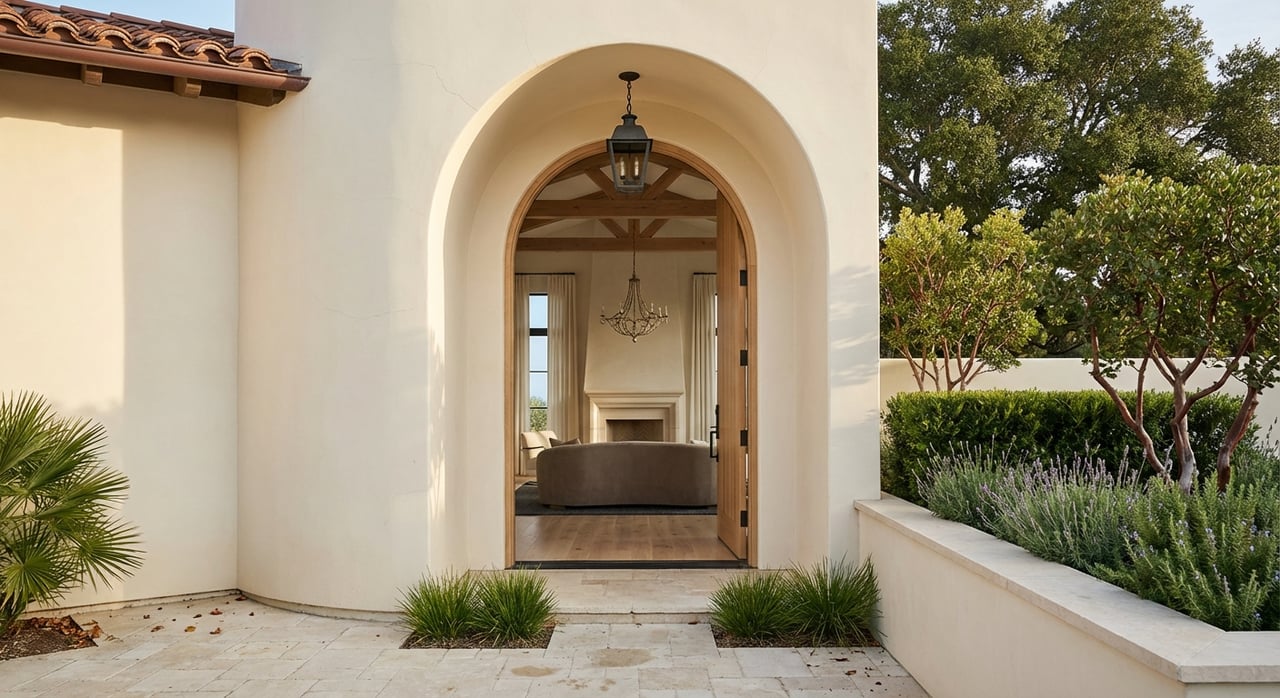
First impressions drive perception, especially at the multi‑million‑dollar level. National cost‑versus‑value data consistently show exterior projects recoup a high share of cost. Focus on the visually dominant elements buyers see first.
- Replace or refinish the garage door and refresh the main entry with a quality steel or fiberglass door. These rank among the highest percentage recoup projects in the latest Cost vs Value report.
- Power‑wash and paint where needed, update exterior lighting, and repair visible trim, gutters, and fascia. These lower‑cost items produce an immediate lift and reduce perceived maintenance risk.
- Refresh hardscape and landscaping with an eye to sightlines, privacy screens, and low‑maintenance plantings. If you plan landscape changes, align with the Town’s water‑efficiency and landscape rules in the Planning Handouts.
Large, elaborate gardens or water‑heavy plantings may appeal to a narrow subset of buyers and increase upkeep. A clean, drought‑aware design generally reads as modern, private, and practical in California’s climate.
B. Kitchens and primary baths, targeted
Buyers at this level want kitchens and baths that look and feel current, but you rarely need a full rebuild. Minor and midrange kitchen projects often recoup more than high‑budget overhauls, especially when you improve what buyers notice most. The Cost vs Value analysis is a helpful triage tool.
- In kitchens, update counters, hardware, lighting, and at least one standout appliance. If cabinets are solid, consider refacing instead of replacing.
- In bathrooms, emphasize spa cues. Refresh tile, hardware, shower enclosures, and lighting to create a calm, modern feel without over‑customizing.
C. Systems, structure, and pre‑sale inspections
Well‑capitalized buyers will conduct deep due diligence. Having your own inspections and documentation up front reduces re‑negotiation risk and supports premium pricing. Start with a plan guided by the Town’s Building & Planning overview.
- Order pre‑list roof, pest, HVAC, electrical panel, and sewer lateral inspections. For hillside or complex lots, consider a recent structural or geotechnical report.
- Correct obvious safety items like water‑heater bracing and install required smoke and carbon‑monoxide alarms before listing.
- Prepare statutory disclosures early, including the Transfer Disclosure Statement and the Natural Hazard Disclosure required under California Civil Code §1103.
If the property is near wildland areas, verify defensible‑space guidance and local fire maps. The County’s resources at Fire Safe San Mateo can help you understand mitigation best practices to share with buyers.
D. Outdoor living, pools, and amenity choices
Private, usable outdoor space is a Peninsula expectation, but not every amenity delivers equal value. Pools rarely recoup full construction costs, so new installations before sale often underperform on ROI. The Cost vs Value benchmarks and independent appraiser commentary suggest focusing on presentation over major additions.
- If you already have a pool or pavilion, deep‑clean the waterline, service equipment, resurface or repair worn decking, and stage the area for entertaining.
- If you do not have a pool, consider flexible enhancements like a shaded lounge, fire feature, or dining terrace rather than breaking ground on a new pool. Keep privacy intact and maintenance low.
E. Staging, decluttering, and depersonalizing
Staging helps buyers visualize scale, flow, and how they will live in the home. Research from the National Association of Realtors finds that staging reduces time on market and can improve offer quality. See the latest findings in the NAR home staging report.
- Hire a professional stager for the main living areas, the kitchen, and the primary suite. In very large estates, strategic staging of principal rooms is often the best cost‑to‑impact move.
- Use high‑quality, neutral pieces and remove personal items. For secondary wings or rooms, consider virtual staging, clearly labeled in marketing, to help buyers parse the layout. The NAR staging snapshot shows how visuals influence buyers online and in person.
Permits, design review, and disclosures to handle early
Hillsborough has an Architecture & Design Review Board that oversees many exterior changes. If you plan notable exterior repairs, landscape redesign, or structural work, build in time for ADRB review and permitting. Start with the Town’s ADRB page and Residential Design Guidelines and the Planning Division’s handouts for submittal requirements such as tree protection, pool guidance, and water‑efficient landscaping.
On disclosures, your packet should include the Transfer Disclosure Statement, Natural Hazard Disclosure, and all inspection reports. California requires specific hazard disclosures under Civil Code §1103. If the property is in or near wildland areas, include any defensible‑space work and mitigation steps, referencing resources from Fire Safe San Mateo when helpful.
Marketing and media that move Peninsula buyers
High‑end buyers expect exceptional presentation. Professional photography is essential, and twilight exteriors often perform well for luxury listings. NAR research confirms that quality visuals, video, and virtual tours are now core to buyer engagement. See the NAR staging snapshot for how media influences activity.
- Photography: schedule after staging and final touch‑ups. Capture wide exteriors, key rooms, and lifestyle vignettes.
- Drone and aerials: use an FAA Part 107 certificated operator who can manage any airspace authorization. Review requirements in the FAA’s Part 107 guidance.
- 3D tours and floor plans: large estates benefit from virtual walkthroughs and accurate, branded floor plans to help buyers understand scale and flow.
- Broker outreach: prepare a polished marketing packet for broker previews and off‑market conversations. Include inspections, floor plans, and media to support early interest and informed offers.
Recommended order of operations
Exterior first. Handle urgent exterior repairs, paint, pressure washing, lighting, and landscape cleanup for maximum first‑glance impact. Prioritize projects that rank well in the Cost vs Value report.
Systems and safety. Order roof, pest, HVAC, electrical panel, and sewer inspections, then correct obvious safety items. Align plans with the Town’s Building & Planning overview.
Staging and easy cosmetic wins. Layer in light interior paint, updated hardware, and curated staging. See how visuals drive outcomes in the NAR staging report.
Media capture. Once the home is fully dressed, schedule photography, twilight, drone, and 3D tours. Use an operator qualified under FAA Part 107.
Timeline and sample budgets
Every estate is different, but these ranges reflect typical scopes on the Peninsula.
- Simple refresh: exterior tidy, light paint, staging consult, and photos often fit in 2 to 4 weeks.
- Moderate prep: minor kitchen or bath updates, staging, inspections, and contractor fixes often need 4 to 8 weeks.
- Larger scope: exterior redesigns, additions, or any ADRB‑reviewed work can run multiple months. Build in time for plan check and board schedules. See the Planning Division’s handouts for submittal needs.
Representative costs vary widely in the Bay Area, where labor and materials run higher than national averages. Use local bids, but the following can guide early planning:
- Staging and photography: NAR has reported a median spend around $1,500 for staging services, with full‑scale luxury staging often ranging from $3,000 to $20,000 or more depending on scope. For historical context on spend ranges, see NAR’s Profile of Home Staging.
- Exterior high‑impact items: garage door and quality entry door replacements, manufactured stone accents, and minor kitchen remodels rank high on ROI in the Cost vs Value report.
- Minor kitchen remodel: national midrange projects often land in the low‑to‑mid tens of thousands. Local bids on the Peninsula are typically higher than national averages, so scope carefully and prioritize visible wins.
- Systems and inspections: anticipate $500 to $3,000 per inspection for items like roof, pest, and sewer video. Mechanical repairs can range from a few thousand dollars to $30,000 or more, depending on findings. Coordinate with the Town’s Building & Planning if a program or permit applies.
Pre‑list checklist
Use this practical list to structure your prep and keep momentum.
- Confirm title and gather permits from any prior renovations.
- Order pre‑list roof, pest, HVAC, electrical panel, and sewer lateral inspections. Upload reports to your marketing packet.
- Refresh exterior: address paint, lighting, trim, gutters, and front‑entry presentation.
- Tidy landscaping, enhance privacy screens, and align any changes with the Town’s Planning Handouts.
- Hire a professional stager for principal rooms and schedule photography, twilight, aerials, and 3D tours.
- Prepare ADRB materials if exterior or structural work is planned and add review timelines to the listing schedule. Start with the ADRB page.
- Prepare statutory disclosures, including the TDS and NHD under Civil Code §1103, and include any wildfire mitigation notes with references to Fire Safe San Mateo.
Getting the details right upfront can save weeks of uncertainty and help you hold firm on price. If you want a founder‑led, concierge plan tailored to your estate and timeline, the Watson Marshall Group manages end‑to‑end preparation, staging coordination, media, and negotiation so you can move with confidence.
FAQs
What should Hillsborough sellers fix first for best ROI?
- Start with curb appeal: garage door and entry door upgrades, targeted exterior paint, lighting, and landscape cleanup. These exterior items top national ROI lists in the Cost vs Value report.
Do I need permits or design review for exterior changes in Hillsborough?
- Many exterior changes require Town review. Check the ADRB guidelines and the Planning Division’s handouts for scope, submittals, and timelines.
Which inspections should I order before listing a Hillsborough estate?
- Order roof, pest, HVAC, electrical panel, and sewer lateral inspections. For hillside lots, consider structural or geotechnical reports. See the Town’s Building & Planning overview.
Are new pools worth building before I sell in Hillsborough?
- Usually no. New pool builds rarely recoup full costs before sale. Instead, present existing amenities in immaculate condition and focus on privacy and low‑maintenance outdoor living per the Cost vs Value benchmarks.
What disclosures are required when selling a Hillsborough home?
- California requires the Transfer Disclosure Statement and a Natural Hazard Disclosure when applicable. Review obligations under Civil Code §1103 and include all inspection reports in your packet.