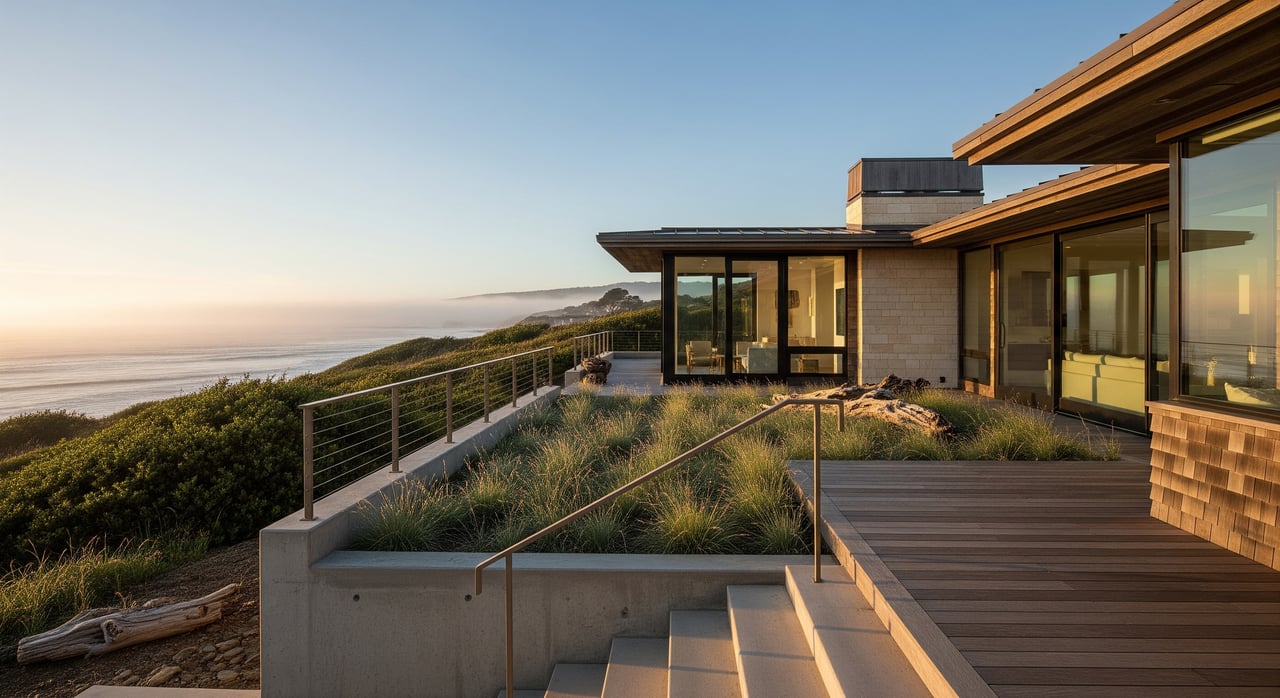
Fog in the morning, sun at lunch, and a brisk wind by dinner. If you have spent any time in Half Moon Bay, you know the weather can shift fast and vary from one street to the next. When you are choosing a home or planning improvements, those microclimates matter. This guide breaks down how fog, wind, and sun shape daily life, what to look for when touring homes, which materials hold up best, and how to plan for permits, hazards, and resale. Let’s dive in.
What drives Half Moon Bay microclimates
Marine layer and coastal fog
Half Moon Bay sees frequent marine fog when cool ocean air moves over warmer land, especially from late spring through early fall. Fog tends to be thickest along the immediate coast and clears faster even a short distance inland. That can mean a cool, gray morning at the beach while a few blocks inland feel warmer and brighter.
Prevailing winds and exposure
Onshore winds usually blow from the west to northwest. Exposed bluffs and beachfront areas feel the strongest gusts. Wind intensity changes with elevation, shielding from nearby buildings, and the shape of the land. A property tucked behind a ridge, grove, or taller structure can feel much calmer.
Proximity and topography
Conditions can shift over a few hundred yards. Homes set back from the ocean, in sheltered coves, or behind bluffs often have less wind and more sun. Even a small change in elevation can reduce fog persistence and wind chill.
Mild temperature range and soils
The coast is mild year-round. Summers are cool, winters are moderate, and big temperature swings are uncommon near the water. Frost and extreme heat are rare on the immediate coast. Soils vary from sandy to loamy, and bluff soils can be unstable when saturated, which is important for drainage and erosion planning.
How to compare homes across microclimates
Exposure, distance, and surroundings
When you tour, think about how the home meets the ocean, sun, and wind. West-facing sides take the brunt of wind and salt spray. East and southeast sides are usually more protected. Distance from the shoreline and position relative to a bluff edge matter for both comfort and long-term stability. Nearby buildings, trees, and small rises can create sheltered pockets that feel warmer and less windy.
Check for signs of moisture stress, like peeling paint, rusting fixtures, or mildew on shaded walls. Review relevant flood or tsunami evacuation information if the home sits in a low-lying area.
Tour on different days and times
Visit in the morning and afternoon. Try to see the home during a breezy day and a calmer day. If possible, compare conditions across seasons. Ask neighbors about typical fog and wind patterns and about long-running maintenance concerns. Small differences in setting can add up to a big difference in daily comfort.
Smart orientation and layout decisions
Place living where it feels best
Try to put your main living spaces on the leeward side of the house, often the east or southeast. This can reduce wind exposure and make patios and decks feel usable year-round. East-facing windows and yards get early sun that dries dew and fog, which helps curb mildew and makes morning coffee outside a little nicer.
Southern exposure is great for winter sun, but coastal fog can limit passive solar gains. Watch a specific site before you rely on sunlight for heating. Every block is different here.
Shape outdoor rooms and entries
Create patios and play areas where the house, fences, or vegetation block wind. Low walls and layered plantings can slow gusts and make a yard feel more inviting. Place garage doors and entries away from prevailing winds to reduce wear and make daily comings and goings more comfortable.
Coastal-grade materials that last
Cladding that handles moisture and salt
- Fiber cement siding resists rot and holds paint well in salty, humid air.
- Stucco can perform well when properly flashed and maintained.
- Natural woods like cedar or redwood look warm but need regular sealing or paint. Expect more upkeep by the ocean.
- Stone and masonry are durable if flashing and control joints are detailed correctly.
Fasteners, flashing, and metals
Use marine-grade stainless steel fasteners, ideally Type 316, or hot-dip galvanized where appropriate. Avoid mixing metals that can corrode each other. Flashing and drip edges should be high quality, with careful detailing to shed wind-driven rain and salt. For metal roofs, aluminum or stainless options resist corrosion better than plain galvanized in salty environments.
Windows and doors
Choose vinyl, fiberglass, or well-coated aluminum frames with thermal breaks. Hardware should be stainless and corrosion resistant. Double-pane glazing with good seals helps manage condensation, and Low-E coatings control heat gain. Shade south and west glass when you can. Inspect seals regularly; fogging between panes signals a failed seal and the need for replacement.
Roofing suited to the coast
Roofs face extra wear from wind and salt. Use high-wind-rated shingles or metal roofing specified for coastal exposure. Vent attics well and insulate properly to prevent condensation damage. Plan annual inspections and check flashing after storms.
Decking and outdoor furniture
Composite decking resists rot and salt. If you prefer tropical hardwoods like ipe, use stainless fasteners and pre-drill. Pressure-treated lumber can work if it is rated for ground contact, but it still needs maintenance. For furniture, look for powder-coated aluminum, marine-grade fabrics, plastics, or teak rather than bare steel.
HVAC, heat pumps, and solar
Heat pumps are a strong fit for Half Moon Bay’s mild climate. Choose outdoor units with anti-corrosion coatings and elevate them to avoid salt splash. Position equipment away from direct ocean spray. Clean coils and replace filters more often due to salt buildup. For solar, specify corrosion-resistant racking and stainless hardware, and plan regular washings and inspections.
Landscaping and drainage
Plant salt-tolerant natives and Mediterranean species. Use layered plantings to form gentle windbreaks, but be mindful of local height limits and view protections. Install drip irrigation with corrosion-resistant parts, and design site drainage to move water away from foundations and bluff edges. Keeping soils appropriately drained is essential on or near bluffs.
Maintenance expectations by the coast
- Exterior paint or coatings: plan to recoat exposed areas about every 3 to 7 years.
- Decks: inspect yearly and reseal or restain every 1 to 3 years, depending on material and exposure.
- Roofs and flashing: inspect annually and after strong storms.
- Metal components: wash and inspect to remove salt buildup.
- Documentation: keep photos, receipts, and service records. This supports resale and shows proactive care.
Hazards, permits, insurance, and resale
Bluff erosion, flooding, and sea level rise
Bluff-top properties face erosion and slope stability risks. If you consider a home near a bluff edge, request a site-specific geotechnical evaluation and understand any history of bluff retreat. Low-lying areas can be mapped within flood or tsunami evacuation zones. Sea level rise projections vary by scenario and inform long-term planning for access, utilities, and insurance.
Permitting and disclosures
Half Moon Bay sits within California’s Coastal Zone. Shoreline work, bluff stabilization, and many exterior changes may require coastal development permits through the City or County and, at times, review by the California Coastal Commission. Building permits are required for most structural or system upgrades, and local code may include coastal and seismic provisions. Sellers must disclose known hazards, prior flooding or erosion issues, special permits, and repairs.
Insurance and lending
Insurance premiums can be higher for coastal homes, especially if a property is within certain wind or flood zones. Lenders may require flood insurance depending on current maps. Expect closer review of bluff stability, flood risk, and recent appraisals for homes in higher-risk areas.
What buyers pay for on resale
Buyers reward evidence of care. Durable exterior materials, documented maintenance, thoughtful wind-sheltered outdoor spaces, and energy-efficient upgrades are all attractive. Many buyers will pay a premium for wide ocean views, but they also weigh erosion exposure, insurance costs, and long-term maintenance.
Two quick checklists
For buyers comparing neighborhoods or homes
- Visit multiple times and in different weather.
- Note wind direction and intensity at living spaces and decks.
- Identify which sides get morning sun and which are most exposed.
- Inspect for corrosion, peeling paint, deck rot, and flashing issues.
- Ask for maintenance records, roof and deck replacement dates, and any coastal permits or geotechnical reports.
- Review relevant flood and tsunami information and any bluff erosion history.
- Confirm insurance quotes for homeowners, wind, and flood before you commit.
- If bluff-adjacent, require a current geotechnical and erosion study and review permit history with the City or County.
For owners planning upgrades
- For siding and roofs, specify coastal-grade materials and stainless fasteners. Detail for drainage and flashing.
- For decks and outdoor rooms, place them on the leeward side and use materials rated for marine conditions.
- For windows and doors, choose frames and hardware designed for salty, humid air and verify weeping and drainage details.
- For HVAC and solar, select equipment and mounts built for marine environments, elevate outdoor units, and plan extra maintenance.
- Landscape with salt-tolerant natives and design windbreaks within local height and view rules.
- Confirm permit needs with the City of Half Moon Bay or San Mateo County, and check any Coastal Commission jurisdiction before starting work.
- Keep detailed records and photos of all coastal-grade materials and maintenance.
How the Watson Marshall Group helps
Choosing the right home on the coast is about comfort today and confidence tomorrow. Our team brings local micro-market insight to help you compare properties that can feel very different, even on the same block. For sellers, we focus on presentation that highlights sheltered outdoor living, coastal-grade upgrades, and documented maintenance so buyers feel the care in every detail.
If you are preparing to sell, we manage a concierge process for improvements, staging, and listing media that meets the expectations of coastal buyers. If you are considering a purchase or a second home, we guide you through the practical tradeoffs around exposure, materials, systems, and long-term planning so you make informed decisions.
Ready to align your home with Half Moon Bay’s microclimate realities and maximize your outcome? Connect with the Watson Marshall Group to start the conversation and Request a Home Valuation.
FAQs
How do Half Moon Bay microclimates affect day-to-day comfort?
- Short distances can change fog, wind, and sun exposure, so a sheltered home may feel warmer and calmer than an exposed one on the same street.
What should buyers look for when touring coastal homes in Half Moon Bay?
- Visit at different times and weather, check wind at decks and entries, inspect for moisture or corrosion, and review any flood, tsunami, or bluff-related information.
Which exterior siding performs best in Half Moon Bay’s fog and salt air?
- Fiber cement and well-detailed stucco are durable choices, while natural wood looks great but requires more frequent sealing or painting.
Are heat pumps a good fit for Half Moon Bay’s mild climate?
- Yes, heat pumps work efficiently here; choose units with anti-corrosion coatings, elevate outdoor equipment, and plan for more frequent cleaning.
How close to the bluff is too close for a Half Moon Bay home?
- There is no single safe distance; require a site-specific geotechnical report that documents retreat rates and aligns with your risk tolerance and timeline.
Do ocean views increase maintenance for coastal homes in Half Moon Bay?
- Often yes; direct exposure to wind and salt spray raises wear on paint, metals, and glazing, so expect more frequent exterior maintenance.